Men Need Places to Connect. Canada’s National Conversation Confirms It.
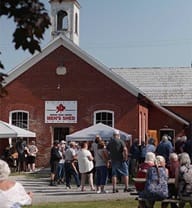
What does it take to support men’s health and well-being? Sometimes, it starts with something surprisingly simple: having a place

Connection. Camaraderie. Community.
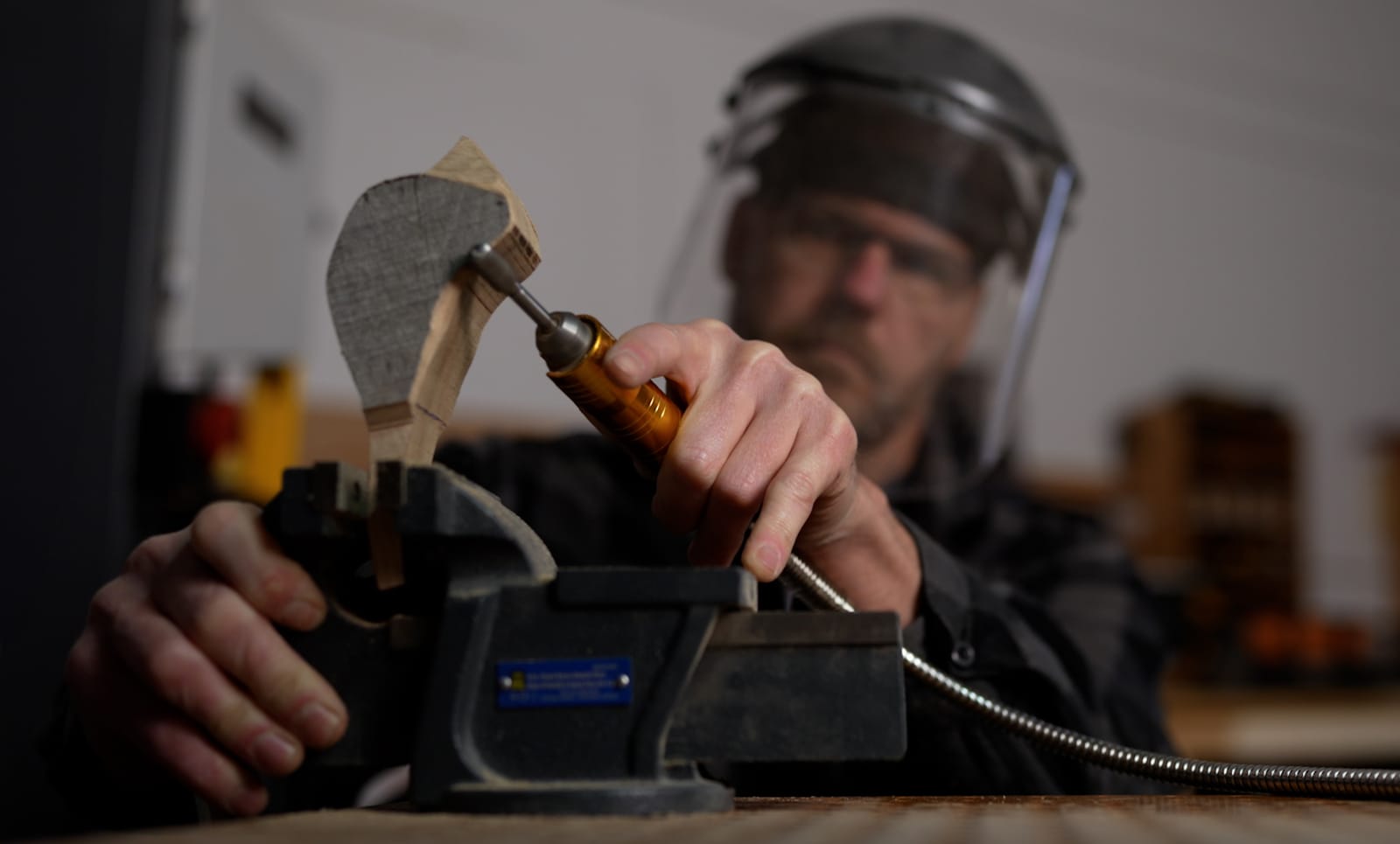
Men building friendships, skills and community — shoulder to shoulder. Men’s Sheds Canada is a registered charity supporting community Men’s Sheds from coast to coast.
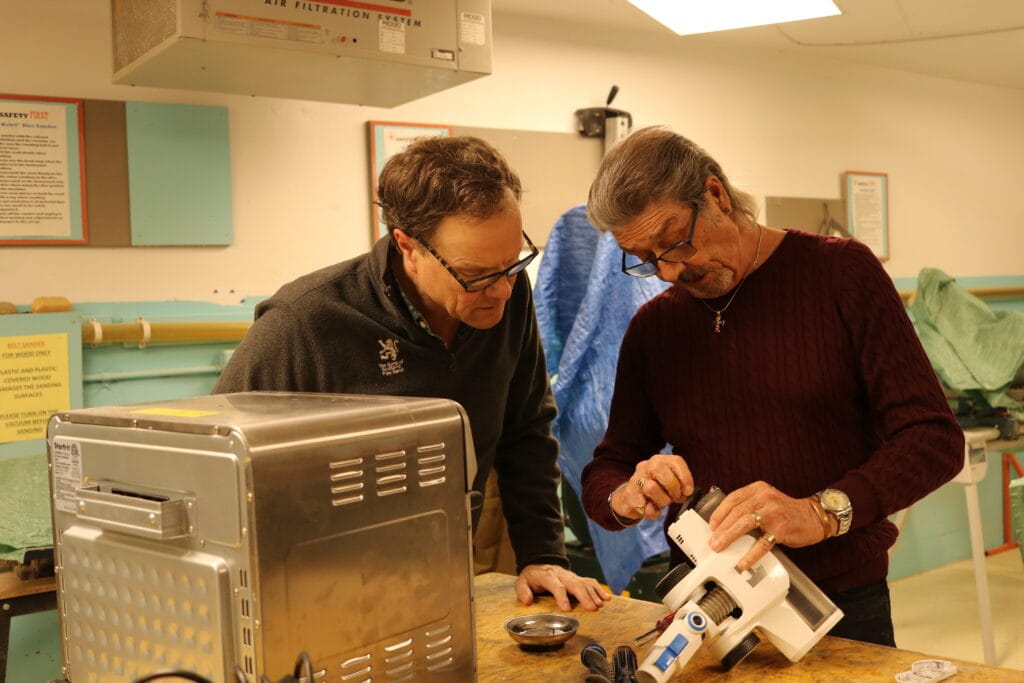
Simply put, a Men’s Shed is a group of men who get together in their community to develop new skills, discover new interests, and make new friends. But it’s so much more than that. For many men, aging and retirement can lead to loneliness and a loss of purpose; and that’s where Men’s Sheds come in. Symbolic of that backyard workshop where men share stories and tinker with woodworking or electronics, a Men’s Shed is grounded in the idea that men communicate more effectively when they’re “shoulder to shoulder” with other men.
Read more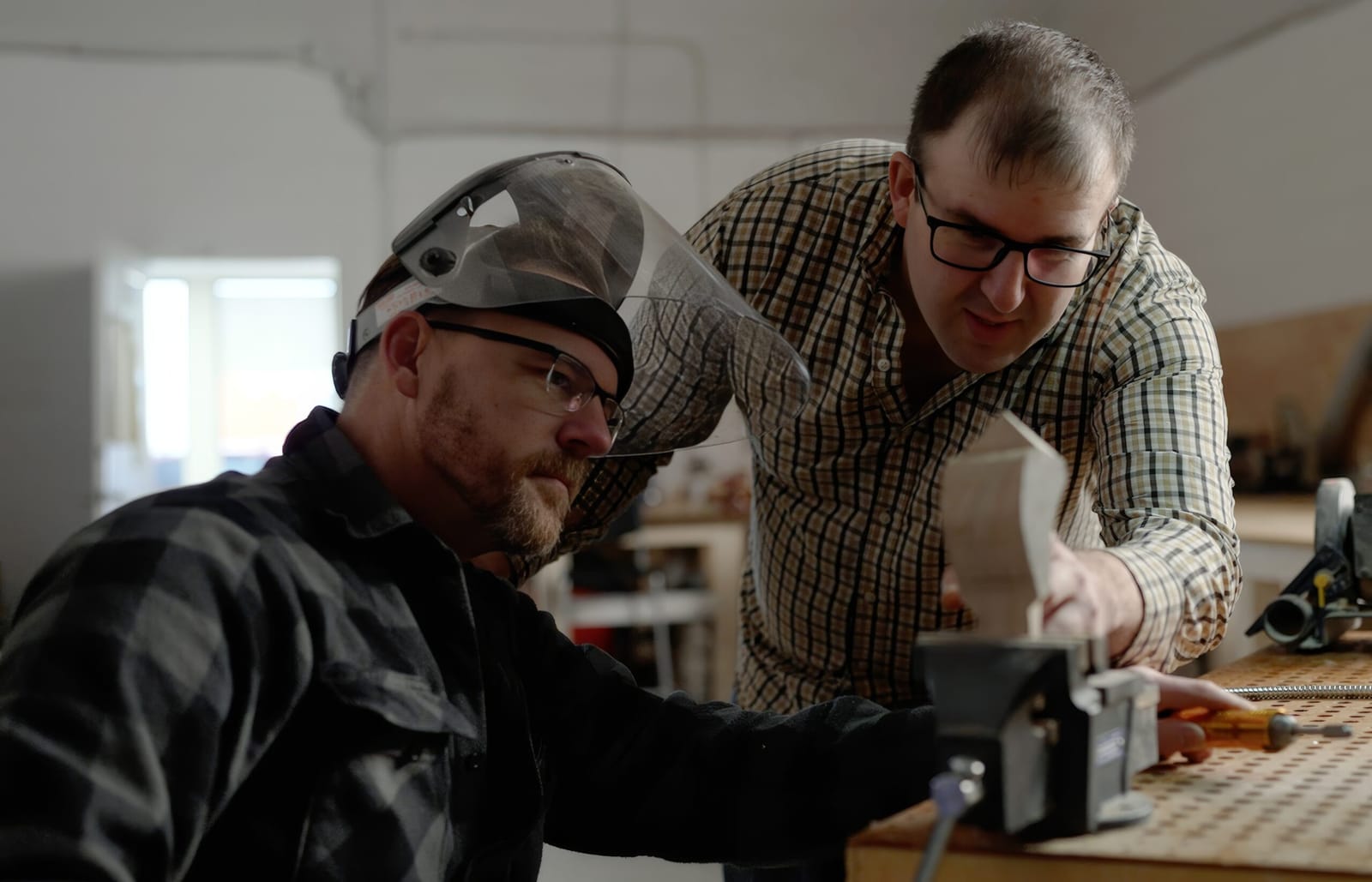
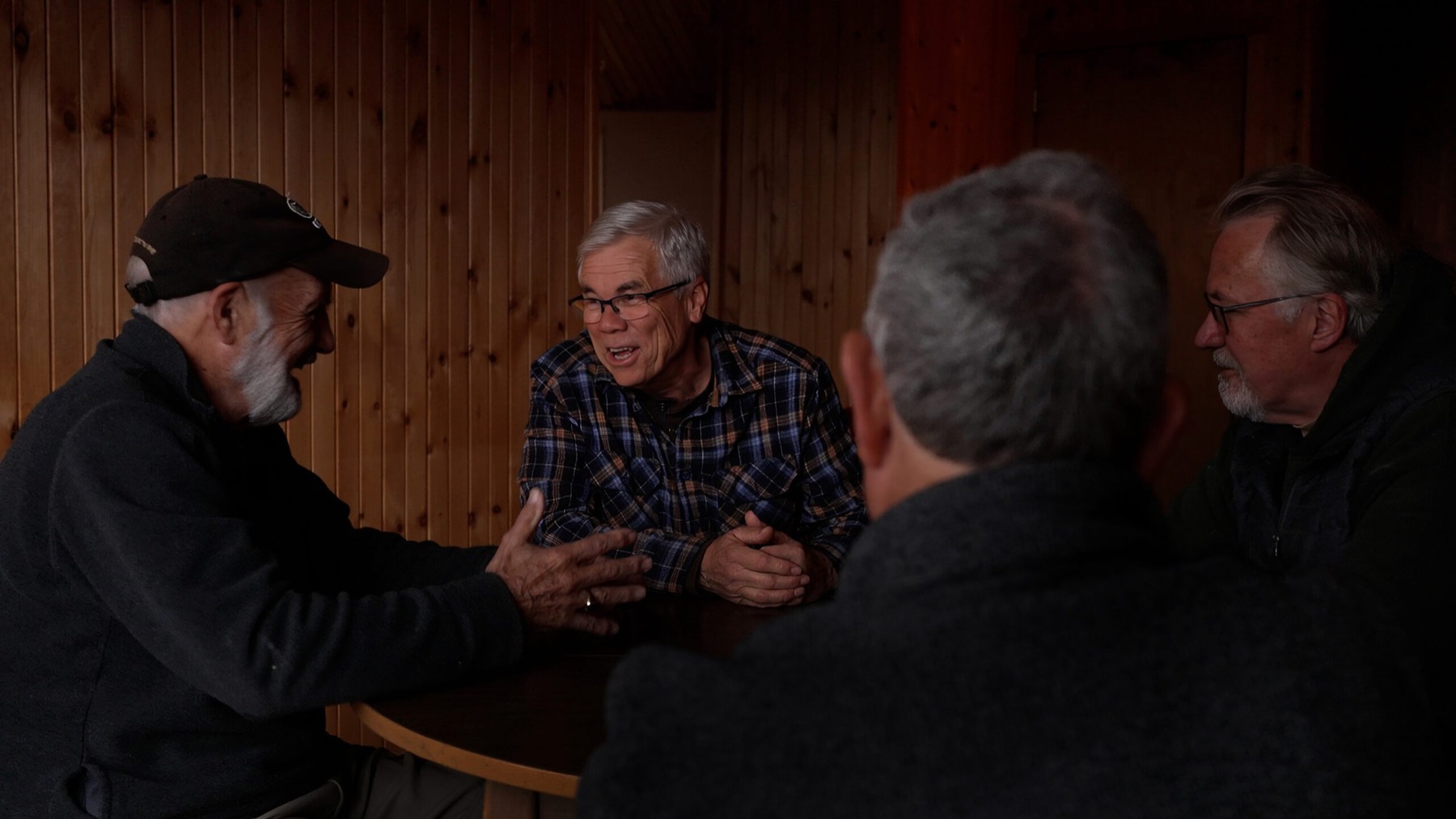
“The day I walked into that Men’s Shed, my life changed forever.”
“I worked in my career for 38 years, sitting at a desk, eight hours a day. I like getting into a shop, using my hands and fixing things.”
— Barry, Halifax, NS
“It gives us a sense of purpose. For a lot of people, once they’ve retired, they’re thinking, ‘Now what do I do?’. The Men’s Shed gets us out. It gives us a fellowship. Now that we have that, it’s something I look forward to every Monday.”
— Rick, St. John, NB
“The impact isn’t just on this group, it’s on the whole community. I’ve got people phoning me all the time. The town has come to realize what we can do.”
— Danny, Lac Brome, QC
“What I like and what I’ve seen so far is that there are no perceived ideas of what it should be or how it has to be – it will be what we make of it. It’s like a big ball of clay that’s been given to us, and we can work it and mold it into whatever we think works best for us.”
— Ross, Bruce Peninsula, ON
“This group is absolutely important to the men in our community. They could do the same thing at McDonald’s but they want their own place to call home, and I think that’s why the Men’s Shed is so important to them. It’s an opportunity to feel free, sit down, drink coffee and share something that they probably wouldn’t share with people at home.”
— Rob, Brandon, MB
“From the mental health perspective, research shows that men don’t open up to strangers, they don’t open up to their significant others, but they will open up to other men — not necessarily on the first day or first week, but after a while, they will open up. They form a camaraderie.”
— Bob, Calgary, AB
A key priority for us at Men’s Sheds Canada is to raise awareness and support of the Shed movement and its impact on men, families and communities across Canada. We are excited to present our new impact video, produced by the talented team at First Capture Productions. We hope you are as inspired as we are, and we hope you will share it widely. For trailers and shorts, visit us on YouTube.
Originally founded in Australia in the 1990s, the grass roots Men’s Sheds movement has expanded to more than 20 countries around the world. It began to take root here in Canada in the early 2000s and has grown steadily since. Canada currently has five provincial Shed associations and over 200 Sheds operating across ten provinces, with potential for exponential growth in the coming years.
A registered charity, Men’s Sheds Canada was formed in 2022 to support both the strengthening of existing Sheds and the expansion of new Sheds across the country. Although a relatively new organization, we have emerged as a driving force for innovation within the men’s health sector and are at the forefront of addressing the pressing issues of men’s mental health and social isolation.
About Men’s Sheds CanadaAs men age, major life changes such as retirement, widowhood, or divorce often result in social isolation and loss of purpose that can adversely impact mental and physical health. Research indicates older men experience higher rates of depression and anxiety and are at increased risk of suicide as these conditions often go undiagnosed and untreated. Studies also suggest only 30% of men who experience mental health issues seek help, often due to social stigma.
The health and well-being of aging men is a critical issue requiring national attention and resources. Men’s Sheds are uniquely positioned to help address these challenges and improve the well-being of Canadian men. In partnership with leading gerontologists, academic institutions, and health agencies, Men’s Sheds Canada is committed to conducting ongoing research on the health impacts of Men’s Sheds to support adoption of evidence informed healthcare policies.
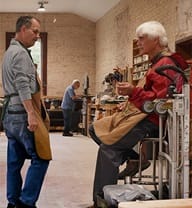
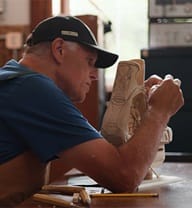
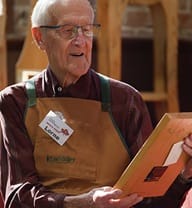
Our researchTo understand the kind of social impact a Men’s Shed can have, look no further than this beautiful series of videos created by Lee Valley Tools as part of Lee Valley’s “Inspired to Make” series. The videos feature the people and projects of the Arnprior/McNab/Braeside Shed outside of Ottawa. We’re incredibly grateful to Lee Valley for helping to spread the word about Men’s Sheds.
Aging, retirement and loss leave many Canadian men isolated — and few of them ask for help.
Isolation is the problem. Connection is the answer. How Men’s Sheds help ↓
If you or someone you know is struggling, call or text 9-8-8, the Suicide Crisis Helpline, any time, day or night.
Men’s Shed participation promotes social interaction, reducing feelings of isolation and loneliness, which can help prevent or alleviate depression and anxiety in older men.
Many Men’s Shed activities, such as woodworking, gardening, and DIY projects, encourage physical movement, which can improve cardiovascular health, reduce the risk of heart disease, and maintain mobility.
Engaging in hands-on projects and learning new skills can stimulate the brain, helping to slow cognitive decline and reduce the risk of conditions like dementia.
Volunteering and creating projects in a Men’s Shed gives older men a sense of purpose and achievement, which boosts self-esteem and can improve overall life satisfaction.
Men’s Sheds often provide health education and information sessions on common aging issues like prostate health, encouraging regular health check-ups and early detection of problems.
Men’s Sheds provide a space for older men to build friendships and engage in community activities, reducing the risk of social isolation and its negative effects on mental and physical health.
Shed members often exchange tips and information on healthy habits, including nutrition and exercise, supporting each other in maintaining healthy lifestyles.
Regular participation in hands-on activities improves coordination, balance, and muscle strength, which can help reduce the risk of falls, a common issue for older men.
The sense of community in Men’s Sheds can support men managing chronic conditions like diabetes or heart disease by encouraging them to stay active, adhere to treatments, and share health strategies.
Engaging in regular social activities in the Shed helps men with hearing loss practice communication skills and avoid the social isolation that can accompany hearing difficulties.
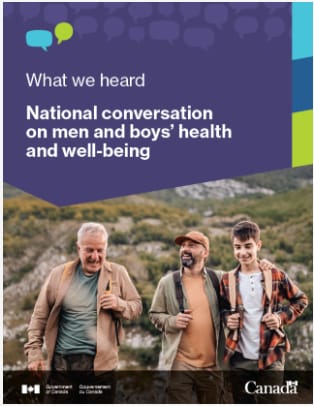
What does it take to support men’s health and well-being? Sometimes, it starts with something surprisingly simple: having a place
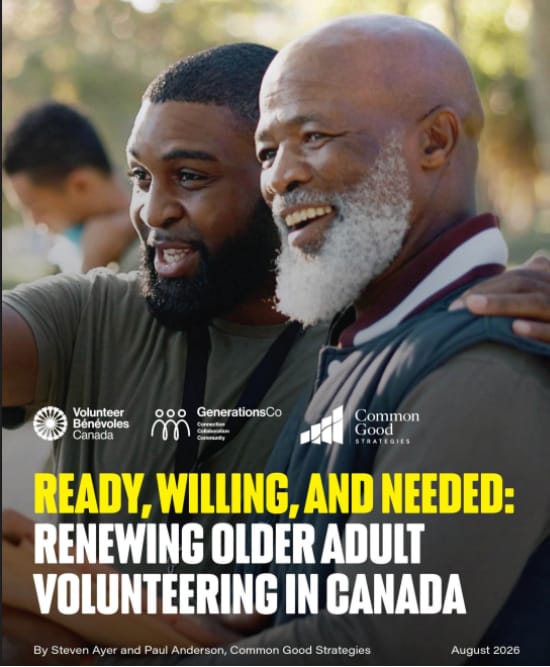
Men’s Sheds are featured in Volunteer Canada’s new report, Ready, Willing, and Needed: Renewing Older Adult Volunteering in Canada, which explores

Men’s health is receiving growing attention in Canada. The Movember Institute’s Real Face of Men’s Health report found that nearly 75,000 men in Canada died before
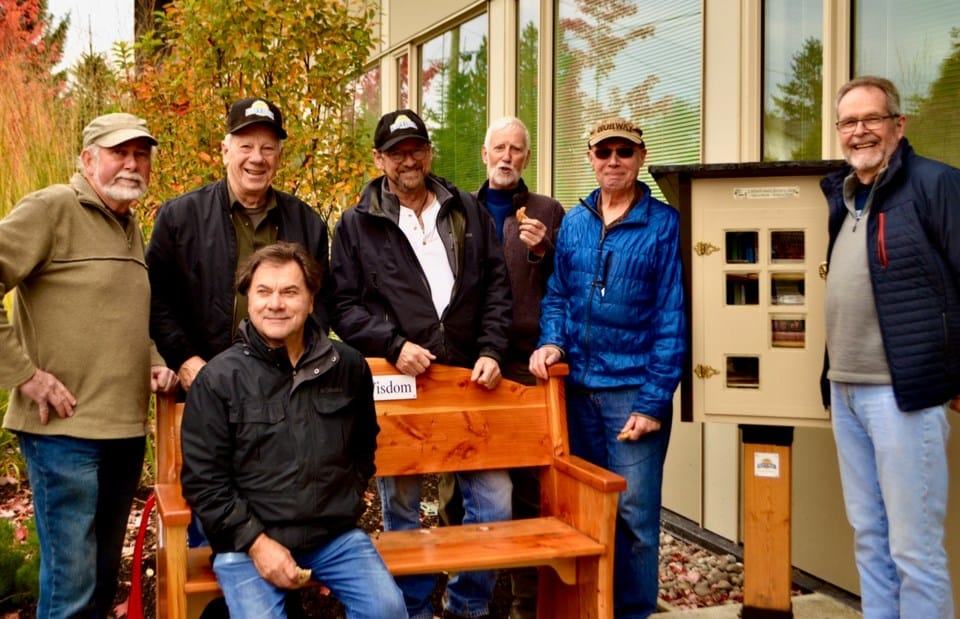 CollaborateMen’s Sheds Canada welcomes opportunities to partner with allied organizations on relevant research, programs, and/or projects.
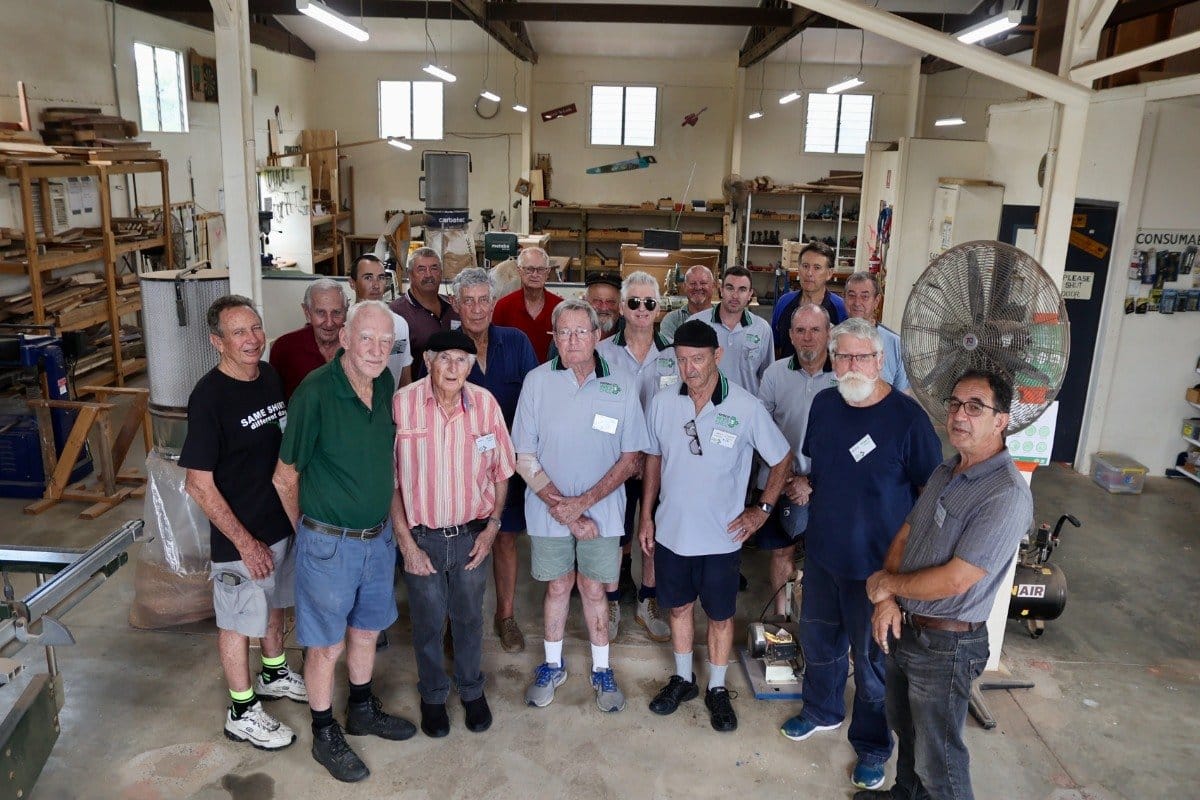 PartnerExplore sponsorship opportunities and how we can work together to enhance communities by supporting the Men’s Sheds movement.
 VolunteerJoin our community of volunteers and help advance the Men’s Shed movement in Canada.
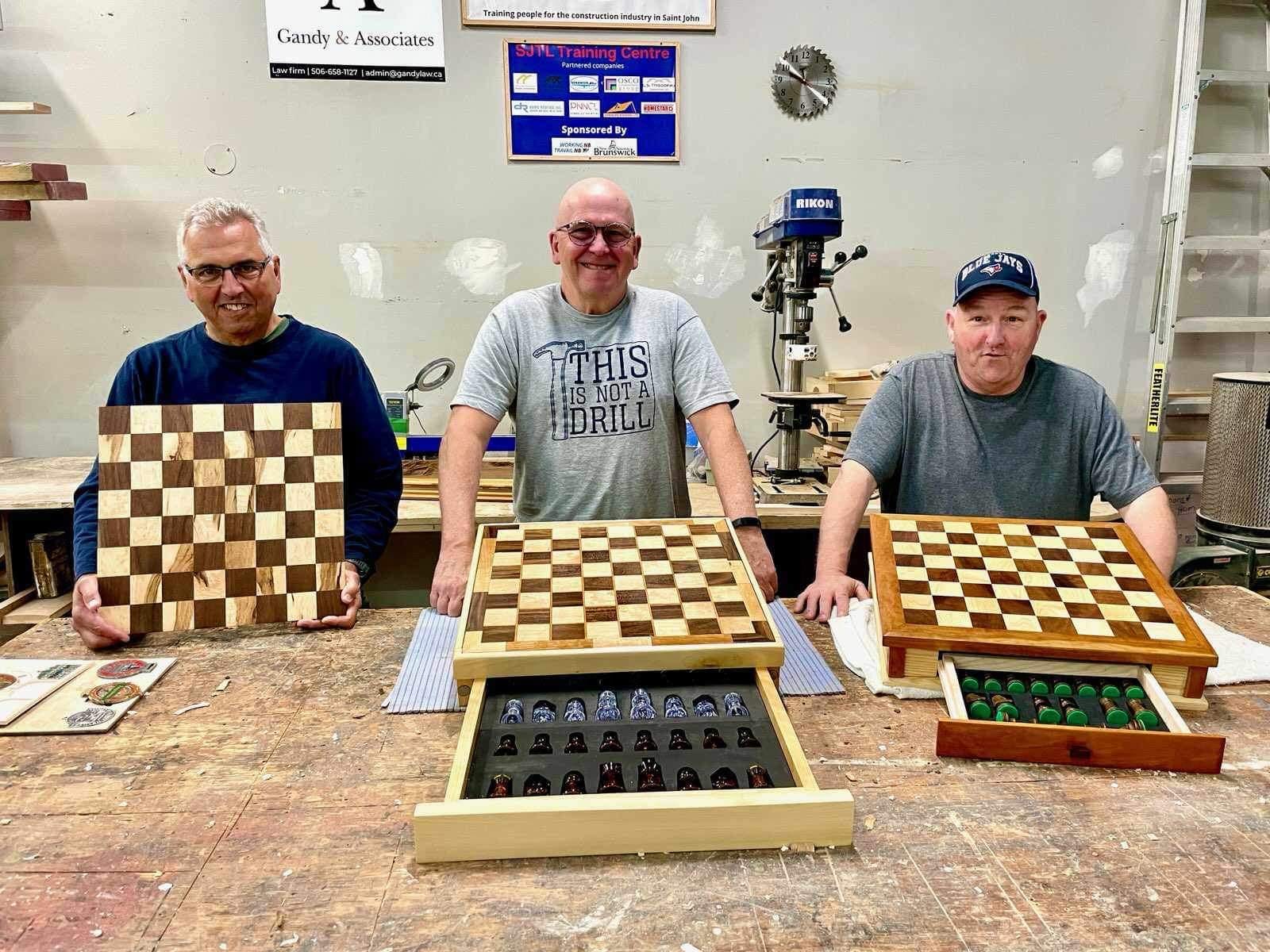 DonateYour donation helps support our work fostering community, connection, and wellbeing for Canadian men.
Men’s Sheds Canada is a registered charity. Support our work with a donation →